
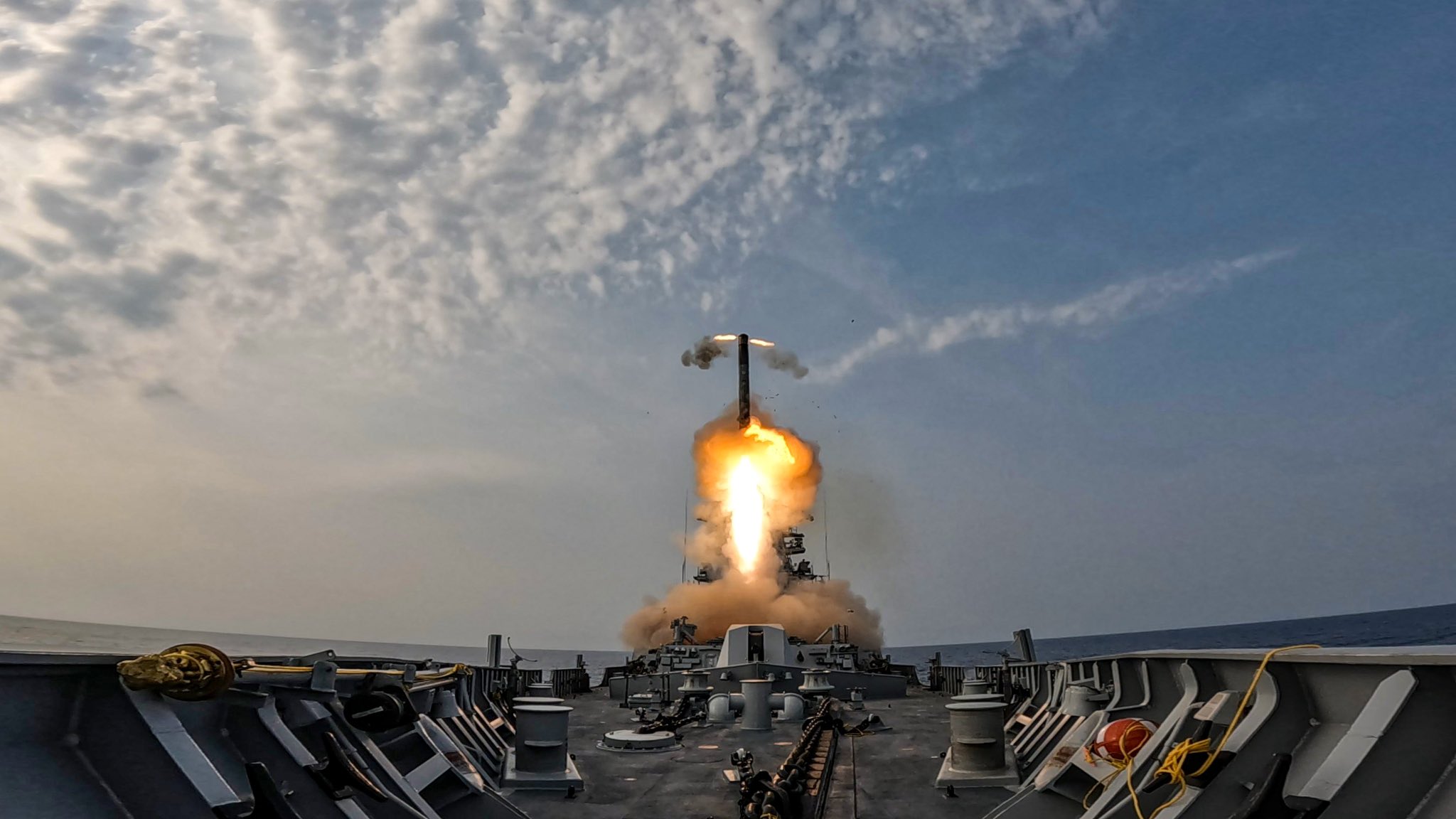
Indonesia has formally entered into an agreement with India for the acquisition of the Indo-Russian BrahMos supersonic cruise missiles, making Jakarta the latest nation to sign up for a weapon system that announced itself to the world in devastating fashion during Operation Sindoor in May 2025. Reuters today quoted an Indonesian MoD spokesperson as saying the deal had been concluded but did not provide specifics.
The deal, believed to be valued at approximately $350-450 million and discussed during the third India-Indonesia Defence Ministers’ Dialogue co-chaired by Indian Defence Minister Rajnath Singh and his Indonesian counterpart Sjafrie Sjamsoeddin, makes Indonesia only the second Southeast Asian country after the Philippines to sign up for the system.
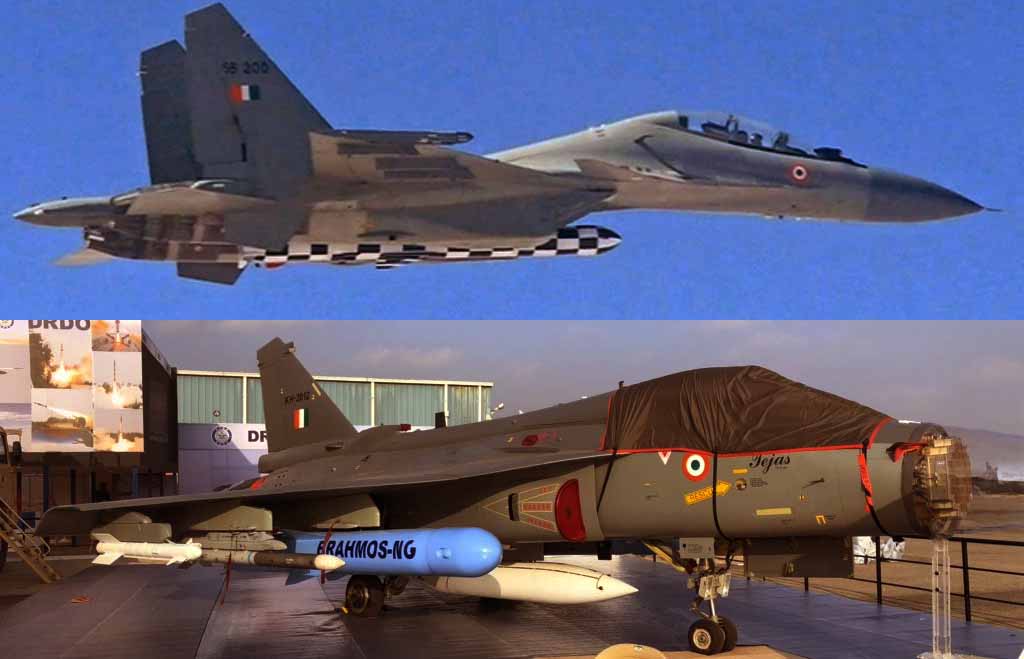
The agreement caps a remarkable few months for the BrahMos programme. In May 2025, the missile saw its first use in live combat during Operation Sindoor, India’s military response to the April 22 Pahalgam terror attack in which 26 civilians were killed. What followed over four days between May 6 and May 10 was a demonstration of standoff strike capability that has since reverberated through every defence ministry in the Indo-Pacific. Su-30MKI fighter jets of the Indian Air Force launched between fifteen and eighteen BrahMos missiles in the opening phase of the operation, striking Pakistani military infrastructure with precision. Then, on the intervening night of May 9 and 10, India fired fifteen BrahMos cruise missiles in a single concentrated strike package that hit eleven Pakistan Air Force bases across a wide front in what observers described as one of the most audacious air strike operations in the subcontinent’s history.

What made the performance truly significant was not just the accuracy of the strikes but the complete inability of Pakistan’s air defence network to stop them. Pakistan’s Prime Minister Shehbaz Sharif later admitted that his armed forces were planning a retaliatory strike at 4:30 in the morning but that India’s BrahMos salvo landed before that window arrived. His acknowledgement confirmed what radar data had already suggested: Pakistan could not intercept a single BrahMos missile.
American defence analyst Brandon Weichert observed that India’s BrahMos missiles effectively neutralised Pakistan’s Chinese-supplied HQ-9B air defence batteries. Russian military expert Andrei Martyanov was blunter, stating that the HQ-9B performed abysmally and was incapable of intercepting anything flying at supersonic speed. In four days, India had not only defeated a Chinese-backed adversary’s air defences but had done so without relying on a single foreign logistics chain or Western platform.
The combat verdict has had an immediate and tangible effect on the export order book. Defence ministries across Southeast Asia had watched the BrahMos with interest for years. After Operation Sindoor, interest has clearly hardened into urgency. Indonesia’s agreement is the most visible result of that shift, but it is unlikely to be the last. Vietnam, waiting in the wings for years, is widely expected to conclude its own BrahMos deal shortly, in an arrangement valued at approximately $700 million that would cover shore-based coastal defence batteries and, potentially, the air-launched BrahMos-A variant integrated with Hanoi’s Su-30 fleet. That Vietnam is turning to India’s BrahMos rather than Russia’s P-800 Oniks, the original missile from which BrahMos was derived, is itself a pointed statement about Moscow’s declining reliability as a defence supplier since the war in Ukraine began.
The strategic logic driving both Jakarta and Hanoi toward the same weapon is straightforward. Indonesia is an archipelagic state of enormous maritime consequence, controlling the Malacca, Sunda, Lombok, and Makassar Straits through which roughly forty percent of global seaborne trade passes each year. Its exclusive economic zone is vast and its coastlines are extensive, yet none of its existing anti-ship missile systems, including French Exocet, Russian P-800 Oniks, and Chinese C-705 and C-802 variants, approach the BrahMos’s operational range of 290 kilometres, with range extensions already demonstrated to over three times that figure. China’s increasingly assertive behaviour in the Natuna Sea, where Chinese coast guard and naval vessels have repeatedly intruded into waters Indonesia considers sovereign, has sharpened the urgency of finding a missile that can hold adversary surface combatants at genuine risk.
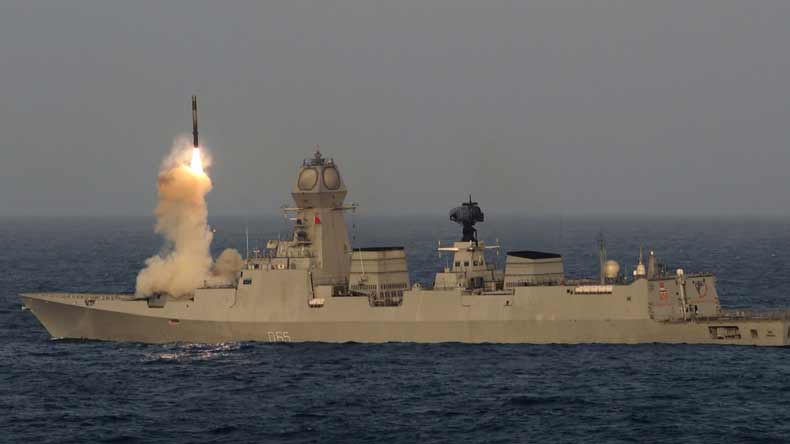
BrahMos, which flies at speeds between Mach 2.8 and Mach 3 at low altitude and is engineered to defeat layered air defence systems, fills that gap decisively. The configuration expected under Indonesia’s agreement covers both shore-based coastal defence batteries and ship-launched variants, allowing integration with Indonesia’s existing naval surface combatants. India has also guaranteed that BrahMos is clean under the United States Countering America’s Adversaries Through Sanctions Act, since the missile’s core components are now manufactured domestically in India. For Indonesia, which must carefully manage its relationships with both Washington and Beijing, that assurance removes a significant diplomatic complication.
Vietnam’s calculus is no different in its essentials. Hanoi has watched Beijing’s behaviour in the South China Sea with mounting alarm for years, its existing Russian-supplied coastal defences are ageing, and China has exerted sustained pressure on Moscow for years to block a BrahMos sale to Vietnam. Those objections appear to have finally been overcome, a development that reflects both Operation Sindoor’s influence and the broader loosening of the diplomatic constraints that once hemmed in the programme’s export ambitions.
India is not standing still on the technology front. The current production BrahMos has already seen its range extended beyond the original 290-kilometre ceiling, and an 800-kilometre variant is now in advanced trials with most of its development reportedly complete, including a modified ramjet motor. That longer-range version is expected to reach operational status by 2027, after which existing missiles in service with the Indian Navy could be modified to match the upgraded specification. New production capacity is coming online to meet both domestic and export demand. A new BrahMos integration and test facility in Lucknow was recently inaugurated and is now fully operational, and Rajnath Singh has confirmed that missiles destined for Indonesia will roll off the line at this plant in Uttar Pradesh, part of India’s expanding defence industrial corridor in the state.
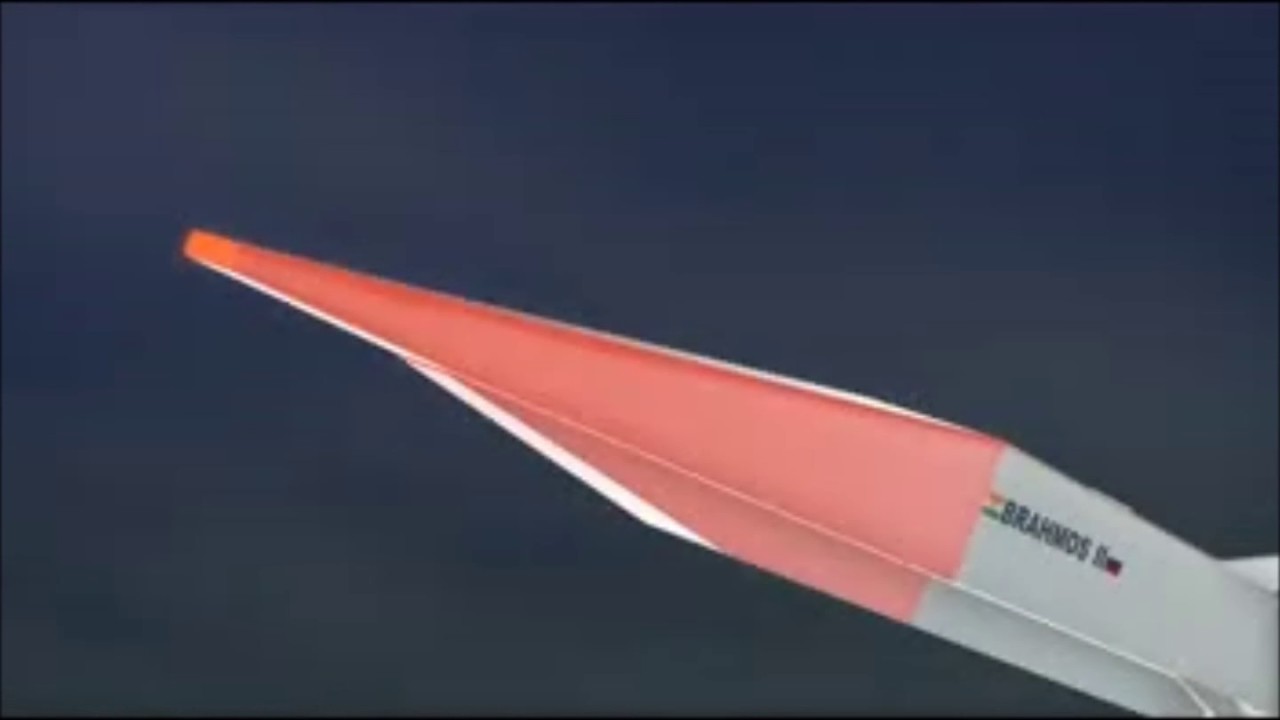
Beyond range extension lies an altogether more disruptive ambition. BrahMos-II, a hypersonic scramjet-propelled missile under joint development by India’s Defence Research and Development Organisation and Russia’s NPO Mashinostroyenia, is designed to fly at Mach 8 with a range of 1,500 kilometres. Prototype assembly and ground testing are expected through 2026, with initial flight trials pencilled in for 2027 and 2028 and production readiness projected around 2030. On April 25 this year, DRDO successfully tested a scramjet engine combustor for over 1,000 seconds, a milestone the organisation described as a critical step toward hypersonic propulsion maturity. BrahMos-II is also being designed at roughly half the weight of the current air-launched variant, making it compatible with a wider range of aircraft including, as intended, India’s indigenous Tejas light combat aircraft.
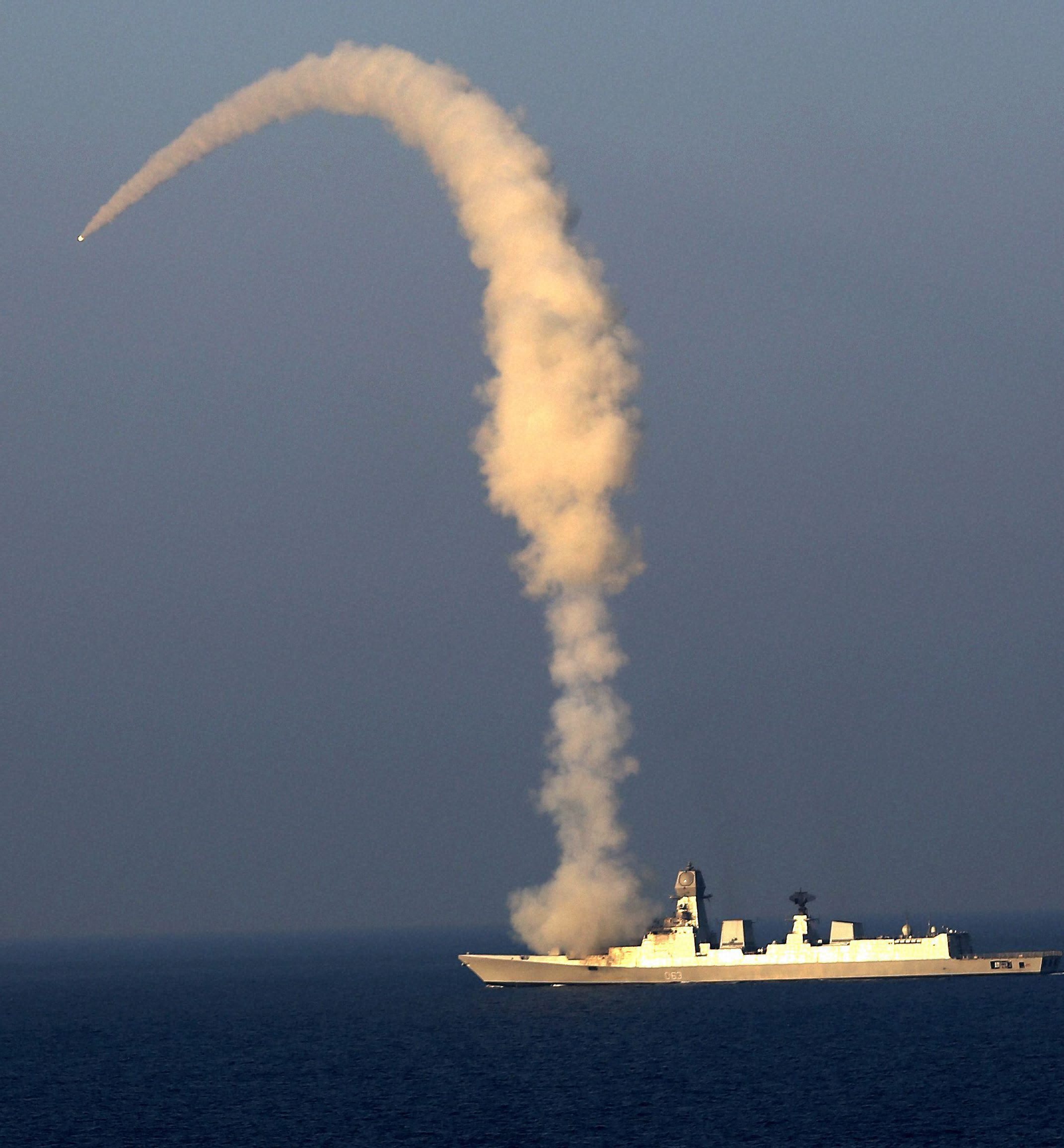
The broader picture that emerges from Indonesia’s agreement is one of a regional security architecture being quietly but consequentially reshaped. The nations now buying or pursuing BrahMos share a common denominator: they hold maritime claims or sovereign interests that overlap with China’s expansive assertions in the South China Sea and adjacent waters, and they have concluded that they need a deterrent that no adversary in the region has demonstrated any credible ability to stop. Operation Sindoor provided the proof of concept in conditions that no laboratory test or manufacturer’s datasheet could replicate.
For India, the strategic and commercial returns are now compounding with each new agreement.